 EN
EN


Studijní program Education for Diversity and Inclusion
Kontakt:
E-mail program-26773@mail.muni.cz
Masarykova univerzita - Pedagogická fakulta
The guiding principle of the programme Education for Diversity and Inclusion is the promotion of diversity as 'a potential asset or resource that can be used to make learning activity purposeful and meaningful across cultures' (Haines 2017, p. 45). The interdisciplinary undergraduate programme comprises the following disciplines: education, psychology, social education, and special and inclusive education. The interdisciplinary areas adressed in the key profile courses include inclusive and intercultural education, social justice and global learning, psychological aspects of learning and teaching, self-experience-based learning and mindful reflection, theory and methodology of education, and research methods in education. The objective is to develop students' capacity to critically evaluate and communicate cultural, international, and ethical insights in education, to engage in effective and appropriate behavior in intercultural situations, and to address and find solutions for educational issues in their locallities as well as internationally. The programme further aims at skills and understandings beyond the expertise in education by developing the whole student in the context of their professional, personal, and social lives and by equipping the student with transversal skills relevant for both local and global markets. The programme is built on fully internationalized curriculum and learning outcomes: students engage in international tasks and teams and develop the ability of effective and culturally sensitive communication and cooperation with others in the context of diversity; students enhance their capacity to relate well to people from diverse educational and social backgrounds and recognize intercultural issues relevant to the theories and practice in education; students demonstrate their understanding of education in the national context, are able to relate the knowledge to the local context, and see the interdepedence of educational and social issues on local and global level. The internationalised curriculum of the programme aims at engaging students' and teachers' international and intercultural experience by implementing comparative methodology which integrates international perspectives and topics into the teaching content and compares similarities and differences in educational practice across the borders. The methodology also provides for students' mindful reflection of knowledge, theories, and intercultural experience in the process of learning. The learning assessments and teaching methods are sensitive to the cultural needs of students and further enhance students' international experience. Further, students utilize their knowledge and understanding gained through the curriculum by participating in field trips and teaching practice, volunteering in non-profit organizations, and engaging in community work both locally and abroad.
Přihlášku podáš na https://is.muni.cz/prihlaska/. Vyber si ze seznamu aktuálně otevíraných studijních programů.
Studium je zpoplatněno částkou 68000 CZK za akademický rok.
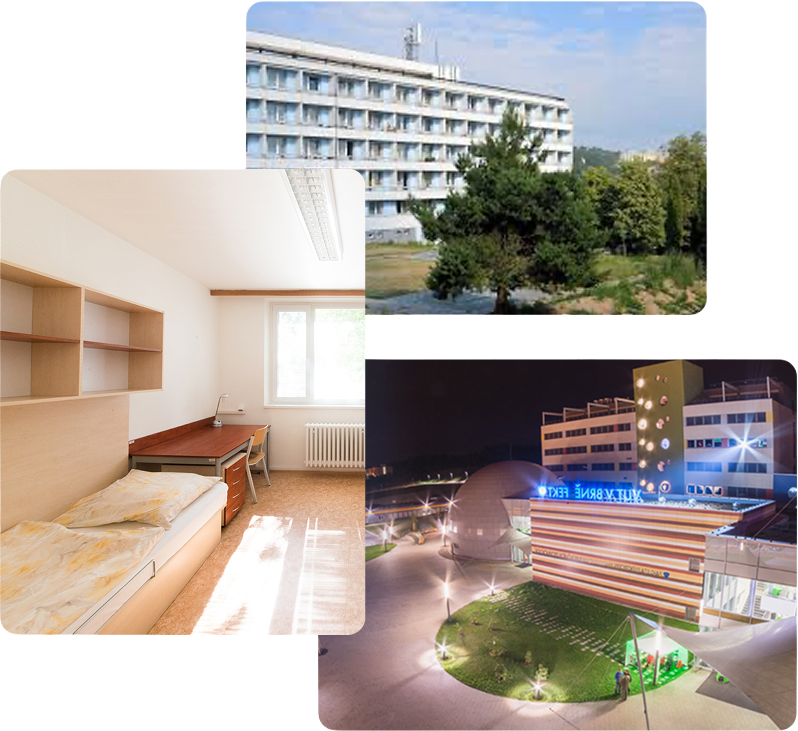
Masarykova univerzita (MUNI) je veřejná vysoká škola v Brně, založená v roce 1919 jako druhá česká univerzita. Dlouhodobě patří k největším a nejvýznamnějším vzdělávacím a výzkumným institucím v České republice. Na deseti fakultách a více než 200 pracovištích si můžeš vybírat ze široké nabídky studijních programů – od humanitních a společenských věd přes přírodní vědy až po medicínu nebo informatiku. MUNI vytváří a šíří poznání, rozvíjí vzdělávání, vědu a výzkum a přispívá ke zlepšování kvality života. Důraz klade také na společenskou odpovědnost a udržitelný rozvoj, které promítá do vzdělávání, výzkumu i provozu.
E-mail program-26773@mail.muni.cz
Žerotínovo nám. 617/9, 60177 Brno
Poříčí, 603 00 Brno
E-mail info@ped.muni.cz
Telefon +420 549 49 1111
The guiding principle of the programme Education for Diversity and Inclusion is the promotion of diversity as 'a potential asset or resource that can be used to make learning activity purposeful and meaningful across cultures' (Haines 2017, p. 45). The interdisciplinary undergraduate programme comprises the following disciplines: education, psychology, social education, and special and inclusive education. The interdisciplinary areas adressed in the key profile courses include inclusive and intercultural education, social justice and global learning, psychological aspects of learning and teaching, self-experience-based learning and mindful reflection, theory and methodology of education, and research methods in education. The objective is to develop students' capacity to critically evaluate and communicate cultural, international, and ethical insights in education, to engage in effective and appropriate behavior in intercultural situations, and to address and find solutions for educational issues in their locallities as well as internationally. The programme further aims at skills and understandings beyond the expertise in education by developing the whole student in the context of their professional, personal, and social lives and by equipping the student with transversal skills relevant for both local and global markets. The programme is built on fully internationalized curriculum and learning outcomes: students engage in international tasks and teams and develop the ability of effective and culturally sensitive communication and cooperation with others in the context of diversity; students enhance their capacity to relate well to people from diverse educational and social backgrounds and recognize intercultural issues relevant to the theories and practice in education; students demonstrate their understanding of education in the national context, are able to relate the knowledge to the local context, and see the interdepedence of educational and social issues on local and global level. The internationalised curriculum of the programme aims at engaging students' and teachers' international and intercultural experience by implementing comparative methodology which integrates international perspectives and topics into the teaching content and compares similarities and differences in educational practice across the borders. The methodology also provides for students' mindful reflection of knowledge, theories, and intercultural experience in the process of learning. The learning assessments and teaching methods are sensitive to the cultural needs of students and further enhance students' international experience. Further, students utilize their knowledge and understanding gained through the curriculum by participating in field trips and teaching practice, volunteering in non-profit organizations, and engaging in community work both locally and abroad.
Přihlášku podáš na https://is.muni.cz/prihlaska/. Vyber si ze seznamu aktuálně otevíraných studijních programů.
Studium je zpoplatněno částkou 68000 CZK za akademický rok.
Masarykova univerzita (MUNI) je veřejná vysoká škola v Brně, založená v roce 1919 jako druhá česká univerzita. Dlouhodobě patří k největším a nejvýznamnějším vzdělávacím a výzkumným institucím v České republice. Na deseti fakultách a více než 200 pracovištích si můžeš vybírat ze široké nabídky studijních programů – od humanitních a společenských věd přes přírodní vědy až po medicínu nebo informatiku. MUNI vytváří a šíří poznání, rozvíjí vzdělávání, vědu a výzkum a přispívá ke zlepšování kvality života. Důraz klade také na společenskou odpovědnost a udržitelný rozvoj, které promítá do vzdělávání, výzkumu i provozu.
E-mail program-26773@mail.muni.cz
Žerotínovo nám. 617/9, 60177 Brno
Poříčí, 603 00 Brno
E-mail info@ped.muni.cz
Telefon +420 549 49 1111
Prozkoumejte nabídku podobných programů